Carriage of own goods: what it means on van insurance
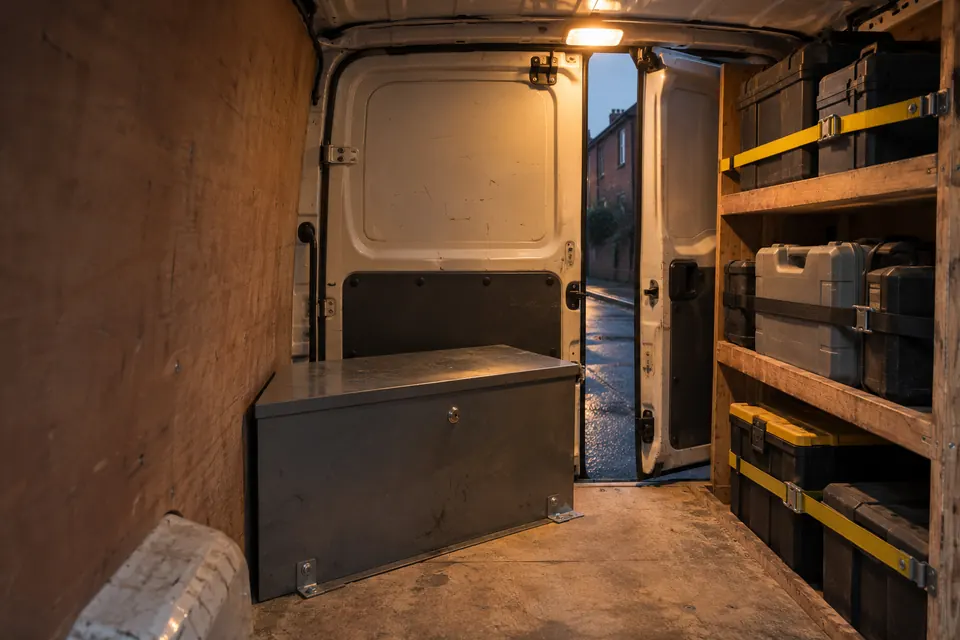
Carriage of own goods is the business class of use on a van policy. It covers you to drive the van for your declared trade while carrying tools, equipment, materials or stock that belong to you, your business or your employer. It does not cover carrying other people's goods for payment, which needs hire and reward cover.
In this guide
Insurers word the class slightly differently, so the version that counts is the "limitations as to use" section on your own certificate of insurance. This guide explains the common meaning, where it stops, and what to ask when your work sits near the edge. For how it fits with the other classes, see van insurance classes of use explained, or answer a few questions in the class of use tool.
What carriage of own goods covers
Quote forms label it something like "Business use (carriage of own goods)" or simply "Business". In practice it covers three things.
Driving for your work. You can drive to as many jobs, sites, suppliers and customers as your business needs, not just one fixed workplace. Admiral's class-of-use guide describes it as for business purposes, "including commuting".
Carrying goods that belong to the business. A comparison-site definition quoted in a Financial Ombudsman decision (DRN-4717286) describes it as carrying business-related goods, tools or equipment belonging to you, your business partner or your employer. Confused.com says that if the tools in your van belong to your employer, you should still likely choose this class.
Taking away your own waste. MoneySuperMarket's definition includes removing garden or building waste from client sites.
Personal use is often included. The certificate in the same Ombudsman case limited use to social, domestic and pleasure purposes plus the policyholder's business for the carriage of own goods. Check that both appear on yours.
What "including commuting" means
Social, domestic and pleasure with commuting covers the drive to one permanent place of work. If you drive to different sites, that is business use, which on a van quote form usually means carriage of own goods.
The difference matters. In DRN-4565125, a van was insured for social, domestic, pleasure and commuting, but the policyholder's father, who was really the main driver, used it to travel to different locations for work. The broker's website had explained that commuting meant a single permanent place of work. The Ombudsman accepted that the insurer, Covea, could treat the misrepresentation as deliberate or reckless under the Insurance Act 2015, avoid the policy, refuse the claim and keep the premium, even if it might have offered cover on different terms.
Admiral also notes that this class "isn't needed" just because there are tools in your van. A van used only for personal trips and your own DIY does not become a business van because a drill lives in the back.
What it does not cover
Other people's goods carried for payment. Parcels, takeaways, removals and deliveries you make on behalf of another business fall under hire and reward. The definition quoted in DRN-4717286 says carriage of own goods "excludes the carriage of goods or passengers for hire or reward", and the certificate in that case excluded the same.
Paying passengers. The same definition and certificate also exclude carrying passengers for hire or reward, which is a different kind of cover.
A second business. Admiral says that under this class only the policyholder's own profession or business counts. Other drivers can use the van socially, but not for a separate business venture. If you add a side job, such as weekend gardening alongside your main trade, tell the insurer.
The things you carry. The class of use decides when the van is covered, not whether its contents are. Confused.com says the tools or goods you carry are not covered as standard under this class. See does van insurance cover tools? for how tools cover and its overnight conditions usually work.
Worked examples
| Who | What they carry | Usual class | What to check |
|---|---|---|---|
| Self-employed plumber | Own tools, pipes and fittings, a boiler bought for a customer's job | Carriage of own goods | Tools cover and any overnight parking conditions |
| Electrician employed by a contractor, using their own van | Employer's tools and cable, driving between sites | Carriage of own goods | Tell the insurer you are employed and drive between sites for your employer |
| Market trader | Own stock, stall and gazebo to and from markets | Carriage of own goods | Whether stock in the van is covered at all |
| Landscaper | Own tools and plants, plus green waste from customers' gardens | Carriage of own goods | Waste carrier registration (below) |
| Shop or maker delivering to its own customers | Goods the business owns and has sold | Depends on the insurer | See the next section |
MoneySuperMarket names builders, plumbers and electricians carrying their own tools and materials. The market trader is carrying finished products the business owns, which MoneySuperMarket's definition includes, along with a florist collecting flowers from a wholesaler.
The landscaper has one non-insurance check. In England, any business that carries waste must register as a waste carrier. GOV.UK says registration is usually free if you only carry waste you produce yourself, and costs £191.02 otherwise. Scotland, Wales and Northern Ireland have separate schemes.
Which class of use do I need? → Answer a few questions about the work you do to see the class of use to pick on a van insurance quote.The grey area: delivering your own products to your own customers
This is where published definitions disagree.
MoneySuperMarket says carriage of own goods does not cover delivering goods to customers, and that if you make deliveries you need haulage or courier insurance.
The Ombudsman took a different view in a 2024 decision, DRN-4717286. A limited company's van, insured with Haven for carriage of own goods, was stolen while a director was out making shop deliveries. Haven declined the claim, saying the van was being used for hire and reward. The Ombudsman disagreed: the definition shown at the point of sale named shopkeepers as an example, the goods belonged to the company, so they were "arguably its own goods". Haven was told to reinstate the policy if it had been avoided and to consider the claim.
That decision turned on the wording the customer was shown when buying. Another insurer with different definitions, or a different pattern of deliveries, could produce a different result. The Ombudsman says its decisions turn on the circumstances of each case and are not a definitive statement of the law, so this one is not a rule other insurers must follow.
If you are a baker supplying cafés, an online seller dropping orders locally, or a log merchant delivering loads, describe the deliveries to the insurer or broker before you buy and ask:
- "I deliver goods my business owns and has sold to its own customers. Is that within carriage of own goods on this policy, or do I need hire and reward?"
- "Does it make a difference that I charge a separate delivery fee?" (if you do)
- "Does it make a difference how many drops I do a day, or that I sometimes carry another business's goods with mine?"
Get the answer in writing, then check the limitations as to use on the certificate match it.
When you need hire and reward instead
Choose hire and reward when you carry goods that are not yours and someone pays you to move them. Confused.com describes it as carrying other people's goods in exchange for money. Admiral's example is someone working for a large courier, such as Evri, using their own van.
Typical cases:
- A courier on a multi-drop parcel round, or a self-employed driver doing delivery work through an app.
- A man-and-van doing paid removals or furniture collections.
- A tradesperson who starts doing paid deliveries for a builders' merchant on quiet days.
Hire and reward is vehicle cover. Under the Road Traffic Act 1988, section 145(4), a motor policy does not have to cover damage to goods carried for hire or reward, and Confused.com says courier policies usually exclude cover for the load, known as goods in transit. The hire and reward guide covers courier and haulage options.
The same own-goods and other-people's-goods split appears outside insurance. Carrying goods in a vehicle with a gross plated weight over 3,500kg usually needs a goods vehicle operator licence, and a restricted licence lets you carry your own goods but not other people's.
Checking your own policy
Look at three documents: the certificate of insurance (limitations as to use), the schedule (occupation, business description and named drivers) and the statement of fact (the answers you gave). If any of them describes a narrower use than your real work, contact the insurer or broker before you next drive for that work and ask them to correct it, with the change confirmed in writing.
Keep reading
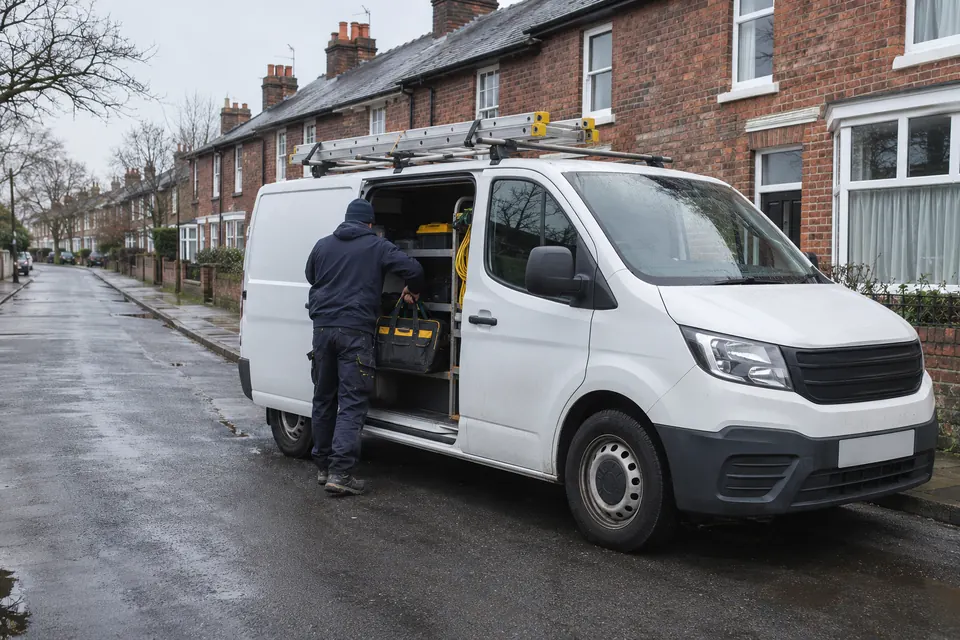
Van insurance class of use: which one do you need?
The four classes of use on a van quote, how insurers tell them apart, and what happens if the one you pick doesn't match how you use the van.
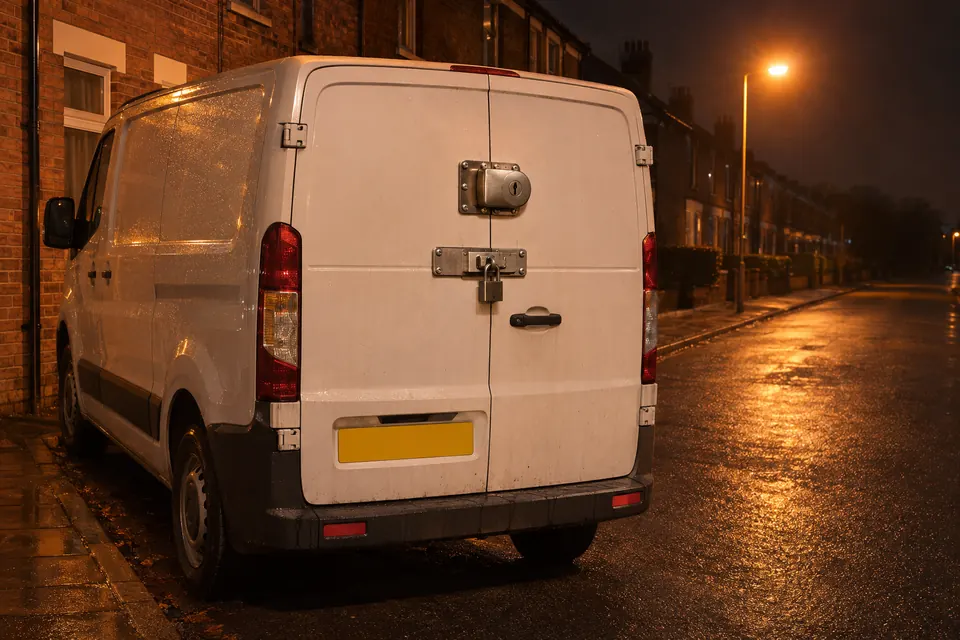
Does van insurance cover tools? Limits, overnight rules and claims
Not automatically. Tools are covered only if your policy has a tools section or you add tools cover, and that cover has its own limits and theft conditions.
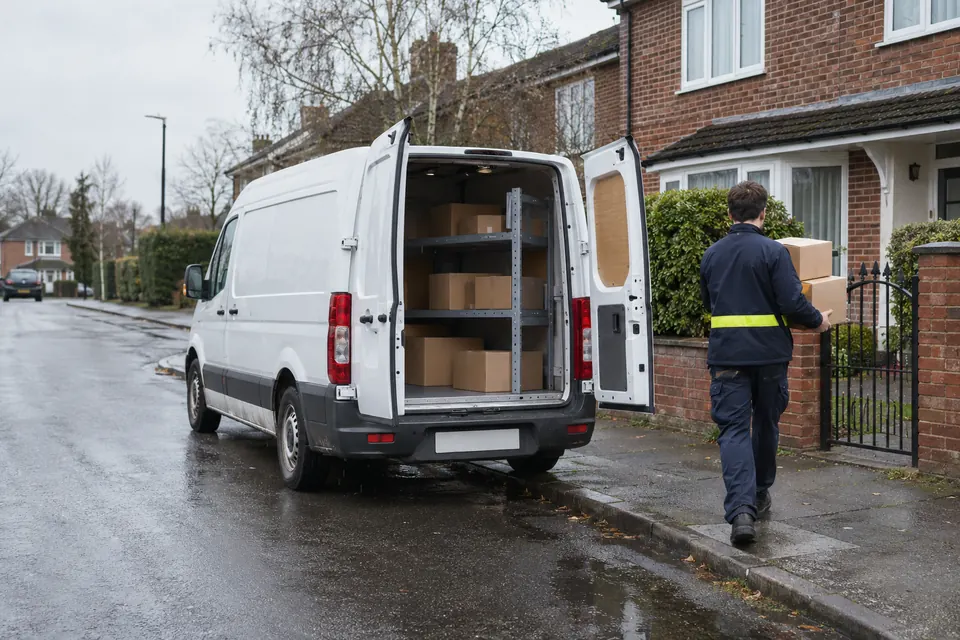
Hire and reward insurance for a van: when you need it
You need hire and reward cover when you're paid to carry other people's goods in your van. It covers that use of the van, not the parcels in the back.