Van insurance class of use: which one do you need?
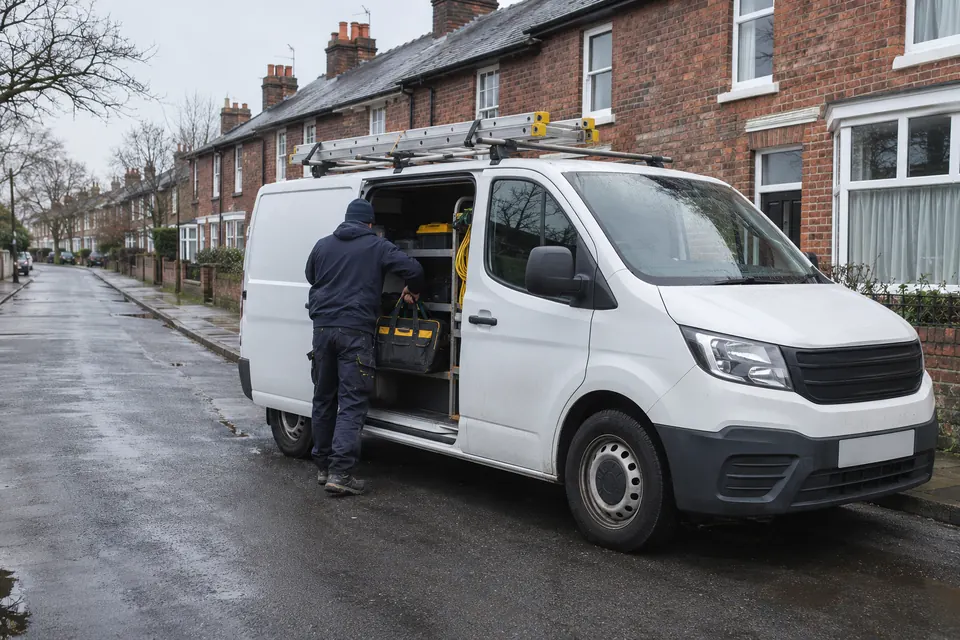
Your class of use tells the insurer what the van is for, and it is printed on your certificate under "limitations as to use". Insurers and comparison sites commonly use four levels: social, domestic and pleasure (SD&P); SD&P plus commuting to one fixed workplace; business use for carrying your own goods; and hire and reward for carrying other people's goods for payment. Choose the one that covers everything you actually do, including the occasional jobs, because driving outside it can leave you with no cover.
In this guide
The four classes side by side
| Class | What it covers | Example |
|---|---|---|
| Social, domestic and pleasure | Personal journeys only. No travel to work. | A van kept for tip runs, the allotment and moving your own furniture |
| SD&P and commuting | SD&P plus travel to and from one permanent place of work | A warehouse worker who drives to the same depot every shift |
| Business use (carriage of own goods) | Often SD&P and commuting too, plus carrying your own or your employer's tools, stock and materials, and driving between different sites | A plumber with tools and fittings, a mobile dog groomer, a farmer taking feed out in a pickup |
| Hire and reward (courier or haulage) | Carrying other people's goods because you are paid to | A multi-drop parcel courier, a man-and-van removals business |
Insurers word the classes differently. There is more detail in the guides to social, domestic and pleasure cover, carriage of own goods and hire and reward.
The two questions that decide most cases
The first question is whose goods are in the back. Your own tools, stock, materials and the waste from your own jobs are your goods. A parcel, a customer's sofa or someone else's pallet is not.
The second is whether anyone pays you to carry them. A plumber is paid for plumbing, not for moving pipes, so the pipes are own goods. A courier is paid to move the parcel, so that is hire and reward.
A comparison-site definition quoted in a Financial Ombudsman decision (DRN-4717286) describes own-goods cover as being for business goods, tools or equipment belonging to you, your business partner or your employer, with builders, shopkeepers and cleaners given as examples.
Operator licensing for goods vehicles over 3.5 tonnes uses the same split: a restricted operator licence lets you carry your own goods but not other people's.
Some cases are less obvious:
- If a friend pays you to move their things, you are carrying someone else's goods for payment. Ask your insurer before you take even a one-off paid job.
- Taking away waste from your own jobs fits the own-goods test. Clearing other people's rubbish for a fee is closer to hire and reward, so describe it to the insurer in those words.
- Delivering products you sell to your own customers is a grey area: the ombudsman accepted one shop's deliveries as own goods because of the wording it was shown, but other insurers define the class more narrowly (carriage of own goods insurance covers that case).
What counts as commuting
Commuting means driving to and from one permanent place of work. If you drive to different sites, customers or jobs, that is business use, even if the back of the van is empty.
DRN-4565125 shows how this plays out. The quote form's help text said commuting meant a single permanent place of work, and business use meant travelling to and from more than one location for business. The policyholder chose SD&P and commuting. After an accident, it emerged that his father, a self-employed construction worker, was the main driver and used the van to reach different work locations.
The insurer avoided the policy, refused the claim and kept the premium. The ombudsman accepted that the insurer could treat the breach as deliberate or reckless under the Insurance Act 2015, and said it could take those steps even if it might have offered cover on different terms. An argument that the father went to one site for the length of each contract did not change the outcome. If your workplace changes from contract to contract, tell the insurer rather than choosing commuting.
Class of use covers the van, not what's in it
Choosing carriage of own goods does not insure your tools. The commercial vehicle policy schedule quoted in DRN-5292739 carried endorsements saying tools left in the vehicle and goods in transit were not covered. See does van insurance cover tools for what to look for.
The same applies to hire and reward. Under the Road Traffic Act 1988, section 145(4)(d), a compulsory motor policy does not have to cover damage to goods carried for hire or reward. Goods in transit cover is a separate product.
Some insurers split hire and reward into courier, with many local drops, and haulage, with fewer, longer runs. The schedule in DRN-5292739 also limited business use, including hire and reward, to 100 miles from the specified risk address. Check your own schedule for a radius limit.
How to choose on a quote form
Labels vary: Quotezone's van insurance page, for example, uses "Business", "Haulage", "Social-only" and "Social and commuting". The form in DRN-4565125 offered "SDPC and Business Use". Read the help text beside each option: in both ombudsman decisions above, that text was treated as the definition you agreed to.
Pick the class for the most demanding thing you do, not the most common. A van used for SD&P all week and for one paid delivery a month needs the class that covers the delivery.
Check who the class applies to. The certificate quoted in DRN-4717286 allowed use "for the policyholder's business". A named driver who uses the van for a separate business of their own may not be covered.
Ask the insurer or broker these questions and get the answers by email:
- I deliver goods I sell to my own customers. Is that carriage of own goods on this policy, or hire and reward?
- Does business use include social use and commuting, and for every named driver?
- Is there a radius limit on business or hire and reward use?
- Are tools or goods covered while they're in the van, and what are the overnight parking conditions?
- I sometimes do paid jobs moving things for other people. Which class do I need?
When the documents arrive, check that the limitations as to use on the certificate match what you told the insurer. If your work changes during the year, tell the insurer before you start the new kind of work.
What happens if you pick the wrong class
The first risk is an exclusion. If the van is being used for something the certificate doesn't allow, the insurer can decline the claim.
The second is misrepresentation. If you answered the use question wrongly when you bought the policy, the law gives the insurer remedies. For a consumer policy these are in the Consumer Insurance (Disclosure and Representations) Act 2012. For a business policy, the Insurance Act 2015 applies, which requires a fair presentation of the risk.
Under both Acts, a deliberate or reckless misrepresentation lets the insurer avoid the policy, refuse all claims and keep the premiums (under the consumer Act, unless keeping them would be unfair to you). A careless mistake brings smaller remedies:
- If the insurer would not have offered cover at all, it can avoid the policy but must return the premiums.
- If it would have offered different terms, it can treat the policy as if it had those terms.
- If it would have charged more, it can reduce the claim in proportion.
In DRN-5292739, a double-cab pickup was insured for personal use only for four policy years and then stolen. He had always meant to use it in connection with his construction job, and told the ombudsman's investigator he passed the work site on the way to personal appointments. The ombudsman found the misrepresentation deliberate or reckless, so the insurer was entitled to treat the policy as void from the start, decline the claim and keep the premiums.
You may also be committing an offence. Section 143 of the Road Traffic Act 1988 requires a policy in force in relation to your use of the vehicle. GOV.UK warns that you can be penalised if you are not correctly insured to drive a vehicle, even if the vehicle itself is insured, and lists the penalties: a £300 fixed penalty and 6 points, or in court an unlimited fine and possible disqualification. The insurer may still have to pay people you injure, but section 151 lets it recover those payments from you in some situations.
Keep reading
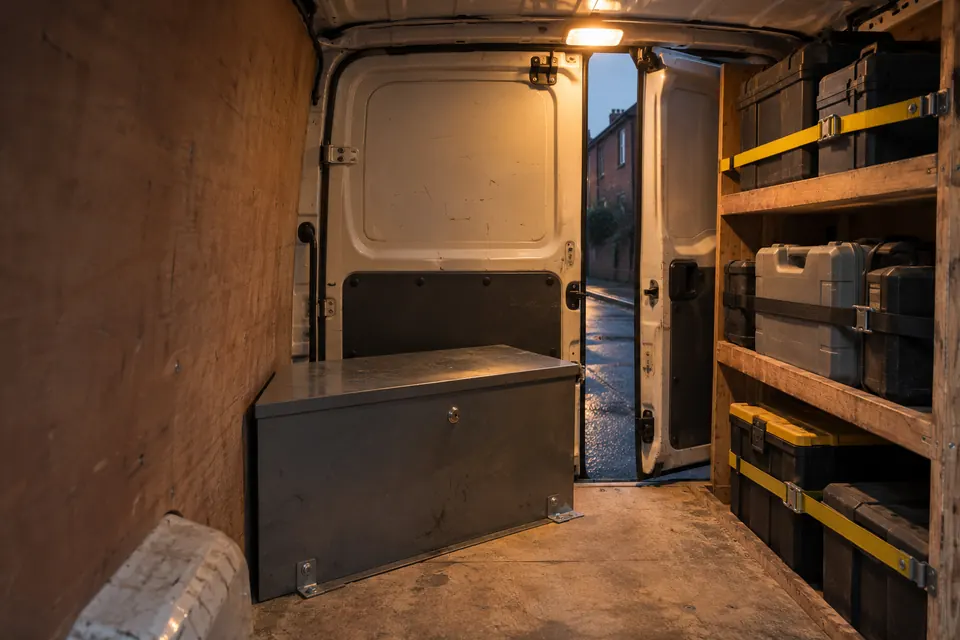
Carriage of own goods: what it means on van insurance
Carriage of own goods covers driving your van for work while carrying your own tools, stock and materials. It does not cover delivering for payment.
Social, domestic and pleasure van insurance: can you use it for work?
SD&P van insurance covers personal use only. What it allows, why commuting and work need more, and what happened when a pickup owner got it wrong.
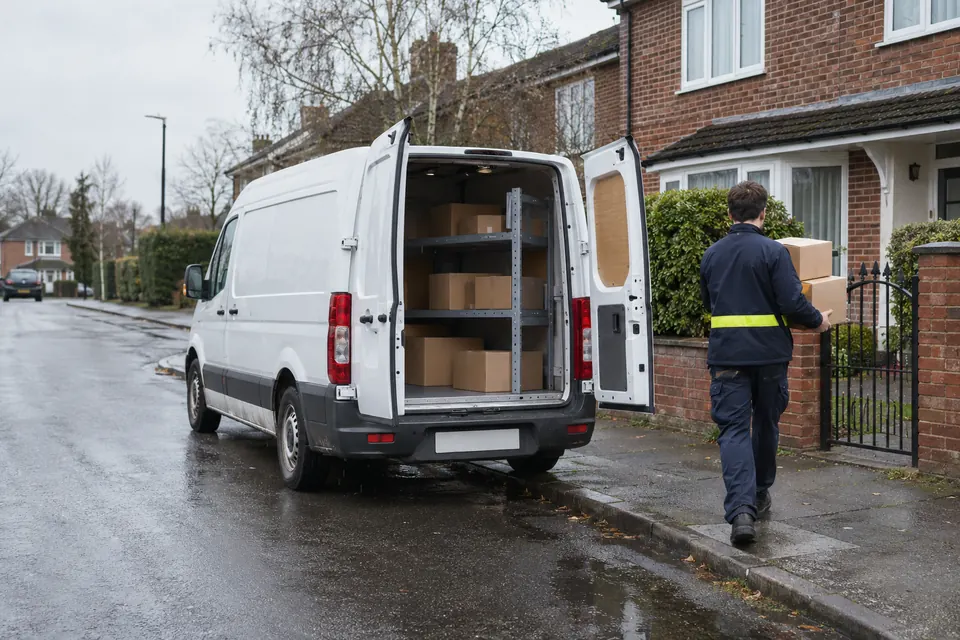
Hire and reward insurance for a van: when you need it
You need hire and reward cover when you're paid to carry other people's goods in your van. It covers that use of the van, not the parcels in the back.